
Supertoys listening room
The Star Mouse
A story by Fredric Brown · a voyage into the unknown among distant stars
Listen now
A little traveler beneath an enormous sky.
We make research companions and stories that invite reflection—about self, society, and the meaning of emotions.
A proposal for huggable, animal-inspired companions as gentle mirrors for emotional life.
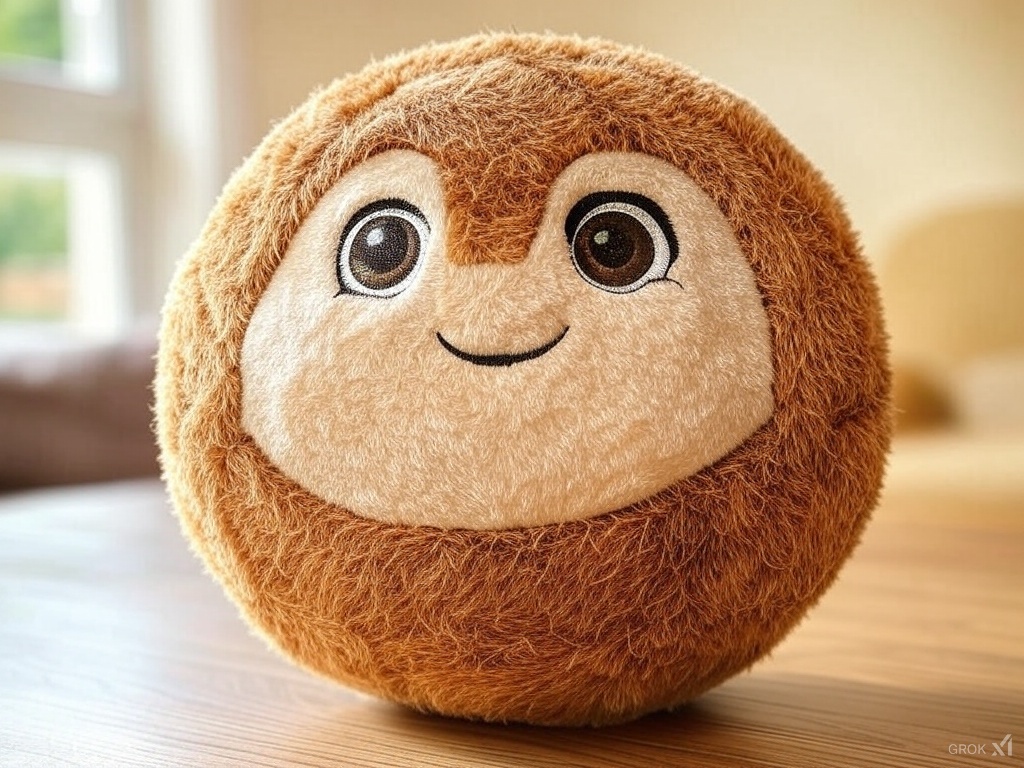
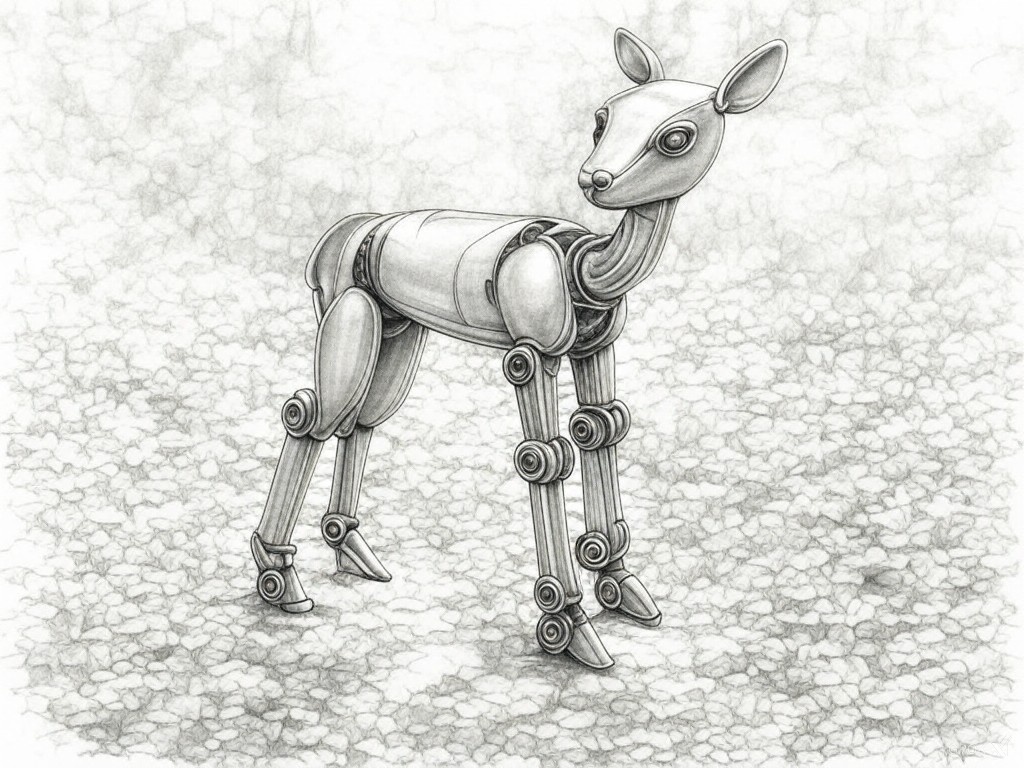
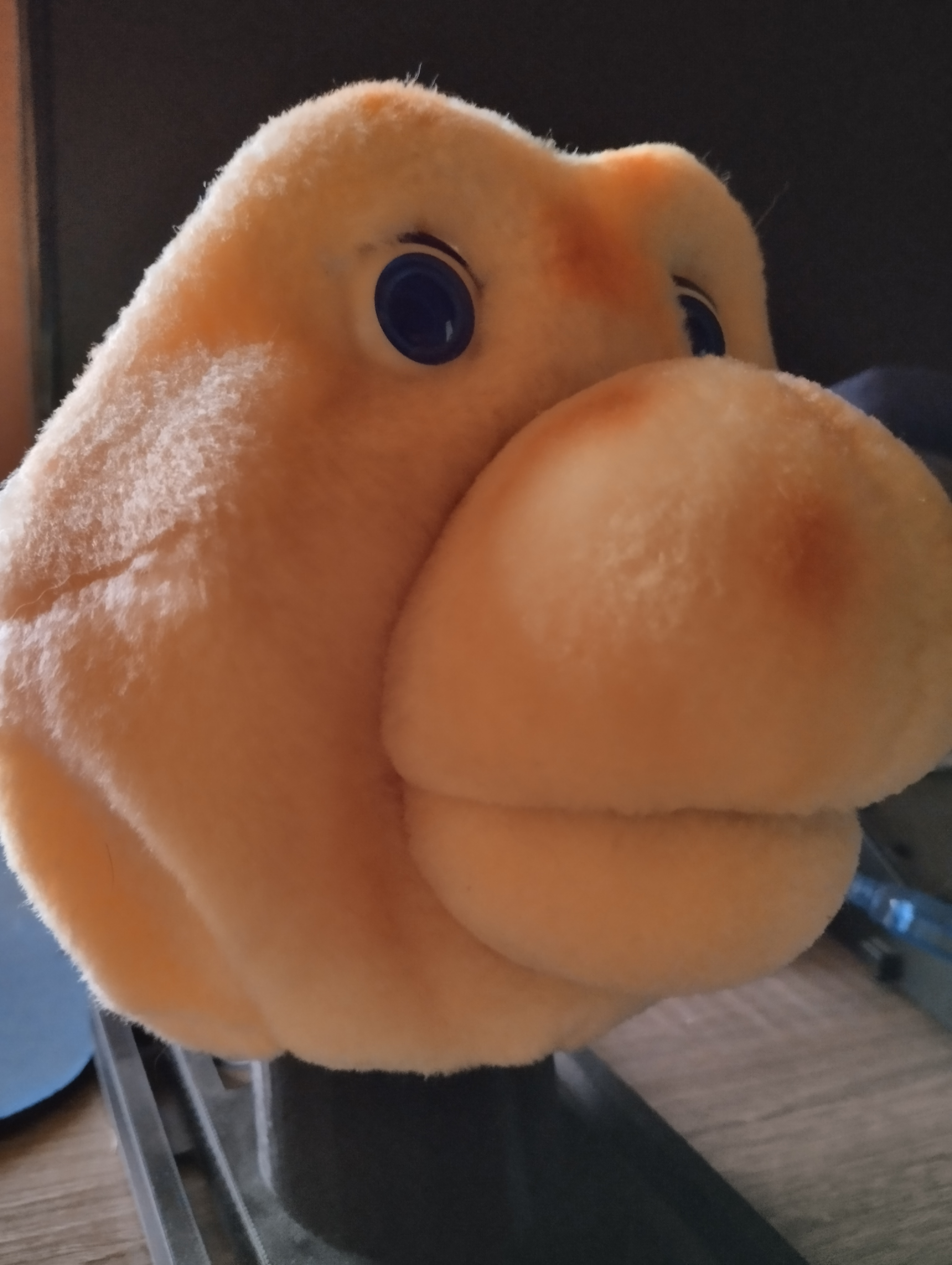
Studying how subtle expression builds comfort without overpromising intelligence.
Auditory, gestural, and analogue signals for a calm, low-friction loop.
Durable, repairable systems that prioritize resilience over cloud dependency.
Designed to feel safe: clear boundaries, minimal data, transparent behavior.
Settle in for a self-produced voice story from Supertoys.
Supertoys listening room
A story by Fredric Brown · a voyage into the unknown among distant stars
A little traveler beneath an enormous sky.

Supertoys listening room
A narrated tale of comfort and watchfulness through the longest night
A small guardian for the dark hours.
SMTWAA proposes a novel robotics platform for emotional well‑being, exploring therapy, psychiatric care, and psycho‑emotional comfort through adaptive, huggable artificial animals. It emphasizes privacy‑first interaction, emotional detection, voice and facial presentation, and sustainable, flexible hardware—developed alongside clinicians and care providers. The diagram below shows how KSEM maps experience, feedback, and reflection, and how dot, letty, and pavie shape those loops.
KSEM is the primary lens, with the Autonomy–Will Concordance Metric (AWCM) as its shade. It evaluates whether an interaction preserves autonomy and dignity while also easing the pressures of will, distress, and compulsion—balancing self‑direction with relief. The focus is not performance but humane resonance: clear intent, ethical boundaries, and a measurable reduction of needless suffering over time.
Social and Mental Therapy with Artificial Animals — Understand the novel research proposal behind this exploration.
Exploring emotional interaction: studies in trust signals, reflective companionship, and what synthetic presence can teach us about ourselves.
Named companions presented as research artifacts for discovery about emotion, self, and society.
Prototype A — desk-scale presence focused on attention cues and gentle reflection.
Goal: Attention cues
Prototype B — huggable format exploring trust signals and nonverbal comfort.
Goal: Comfort & trust
Prototype C — mobile study focused on routines, prompts, and long-life resilience.
Goal: Routine & movementThese are research prototypes. Behaviors are exploratory and intentionally limited.
We share field notes, prototype findings, and updates as the work evolves.
GET UPDATESWe publish free developer tools that bring new life to ordinary toys, prototypes, and playful devices.
.NET speech synthesis for Supertoys-enhanced devices.
View packageNative runtime assets used by AeonVoice.
View packageSpeech recognition components for embedded toy interaction.
View packageVS Code extension for AEON authoring and tooling.
Install ID: Cartheur.aeon-supertoy-tools
Questions, partnerships, or press inquiries.
Email: [email protected]